Overhead view of a shared table with several dishes served in wooden bowls

An informational wellness website

Clear, practical information about diet, healthy eating and nail care: what nutrients do in your body, how much water you really need, how to build a balanced plate, read a food label and keep your nails strong. Explained simply, without strict diets or miracle promises.

Explore the Topics

One moment isn’t the whole pattern.

01 Diet
02 Nails
03 Healthy Eating

Diet / The body as a system

Fuel · Build · Regulate · Balance

What your body actually does with food

Food is more than calories. Every day your body uses it for four jobs at once: fuelling movement, rebuilding tissue, running thousands of chemical reactions and keeping its water balance steady. Once you see diet as one connected system, everyday choices make much more sense.

People sharing several dishes around a table
01

Fuel · Carbs & fats

Carbohydrates are the brain’s and muscles’ quickest fuel. Fats power longer, slower activity and are needed to absorb vitamins A, D, E and K. Whole grains, fruit and legumes release energy more steadily than sugary snacks.

02

Build · Protein

Protein supplies the amino acids your body uses to repair muscle, skin, hair and nails, and to make enzymes and hormones. It can’t store much of it, so a portion at each meal works better than one big serving at dinner.

03

Regulate · Vitamins & minerals

The system’s controls. Iron carries oxygen in the blood, calcium and vitamin D keep bones strong, B vitamins turn food into usable energy, and magnesium and potassium help muscles and nerves work.

04

Balance · Water

Water makes up roughly half to 60% of an adult’s body. It controls temperature, carries nutrients, cushions joints and removes waste. Even mild dehydration can bring headaches, tiredness and poorer concentration.

Stored vs. needed daily

Some nutrients your body stores. Others it needs regularly.

Vitamins A, D, E, K and B12 are stored in the body, so a few days without them matter little. Vitamin C, most B vitamins and water are not stored in useful amounts, so you need them regularly. That’s why what you eat and drink most days counts far more than any single meal, good or bad.

Water balance, in practice

The most overlooked nutrient

How much?

A common reference is about 2.7 litres a day for women and 3.7 litres for men, from all drinks and food combined. Around a fifth usually comes from food.

The simplest check

Pale straw-coloured urine usually means you are drinking enough. Dark yellow, thirst or a dry mouth are signs to drink more.

When you need more

Hot weather, exercise, fever, vomiting or diarrhoea, and breastfeeding all raise your needs. After heavy sweating, salty food or an electrolyte drink helps restore balance.

What counts

Water, milk, tea and coffee all count, as do soups and water-rich foods like cucumber, melon and oranges. Juices and sodas add fluid but also sugar.

Healthy Eating / The balanced plate

How to build
a balanced plate

You don’t need an app or a calorie count to eat a balanced meal. A simple visual guide used by many dietitians: fill about half the plate with vegetables or fruit, a quarter with protein, a quarter with starchy carbohydrates, and add a little healthy fat. It works for lunch boxes, dinners and restaurant menus alike.

Overhead view of a salmon fillet with herbs on quinoa beside roasted broccoli and celery
1
2
3
4
5

Key point

Half plants, a quarter protein, a quarter starch. A starting point, not a rule.

01 · Protein · about ¼

Fish, eggs, chicken, beans, lentils, tofu or Greek yogurt. A palm-sized portion is an easy reference. Protein keeps you full for longer and supplies building blocks for muscle, skin, hair and nails.

02 · Carbohydrates · about ¼

Choose whole grains (oats, brown rice, quinoa, wholemeal bread or pasta), potatoes with skin or legumes more often than white, refined versions. Their fibre steadies energy, supports digestion and keeps you full.

03 · Healthy fats · a little

Olive oil, avocado, nuts, seeds and oily fish like salmon, mackerel or sardines, the best food source of omega-3. A thumb of oil or a small handful of nuts is a useful portion. Watch hidden fat in fried food and creamy sauces.

04 · Vegetables & fruit · about ½

Aim for different colours across the week: each brings different vitamins, minerals and antioxidants. Frozen vegetables are often as nutritious as fresh, and canned ones count too if they are free of added salt or sugar.

05 · Flavour & drinks

Lemon, herbs, garlic, pepper and spices add flavour, so you need less salt. Add a glass of water to every meal: it is the easiest way to cover a good part of your daily fluids.

Healthy Eating / Food labels

How to read a food labelin 30 seconds

The front of the pack is marketing. “Low fat” products often contain extra sugar, “multigrain” doesn’t mean whole grain, “no added sugar” can still be very sweet, and “natural” has no strict legal meaning in many countries. Turn the pack over: the back tells you what is really inside.

FrontBackContext
Jars of jam on a wooden shelf
“Low fat” · “Natural”

Front

Top view of a box with canned and bottled food
Ingredients Per 100 g % Daily Value

Back

Box of canned goods, jars and cloth sacks seen from above

Context

1

Check the serving size

Every number on the label refers to one serving, which is often smaller than what people actually eat. A “serving” of cereal can be 30 g. Eat double, and you get double everything.

2

Read the first three ingredients

Ingredients are listed by weight, largest first. If sugar or one of its many names (glucose syrup, dextrose, maltose, fruit juice concentrate) appears near the top, the product is mostly sugar.

3

Use the 5 / 20 rule

On % Daily Value labels, 5% or less of a nutrient per serving is low and 20% or more is high. Look for more fibre and protein, and less added sugar, salt and saturated fat.

4

Compare per 100 g

Choosing between two similar yogurts, breads or sauces? Compare the per 100 g column. It removes serving-size tricks and shows at a glance which one really has less sugar or salt.

Label formats differ between countries. This is general information about reading packaging, not medical nutrition advice.

Nails / Nutrition & care

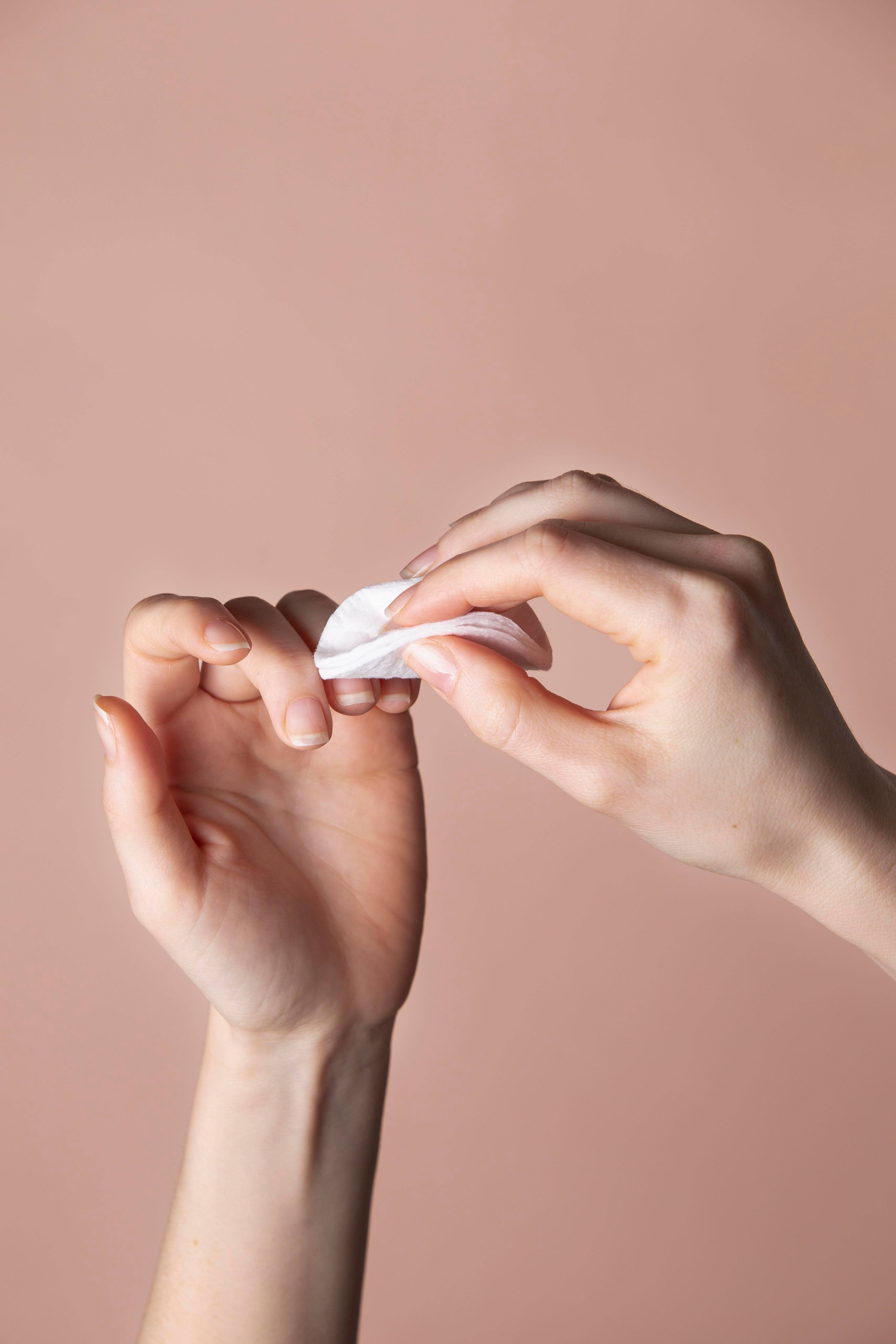
Healthy nails.What feeds them, what damages them

Nails are made of keratin, the same protein as hair. Fingernails grow roughly 3 mm a month and take about six months to grow out completely, so what you eat and how you treat your hands today shows up in your nails months later.

woman-taking-care-her-nails.jpg
Frame 01

Notice

Ridges, peeling or small white spots are usually harmless, most often caused by dryness or minor knocks.

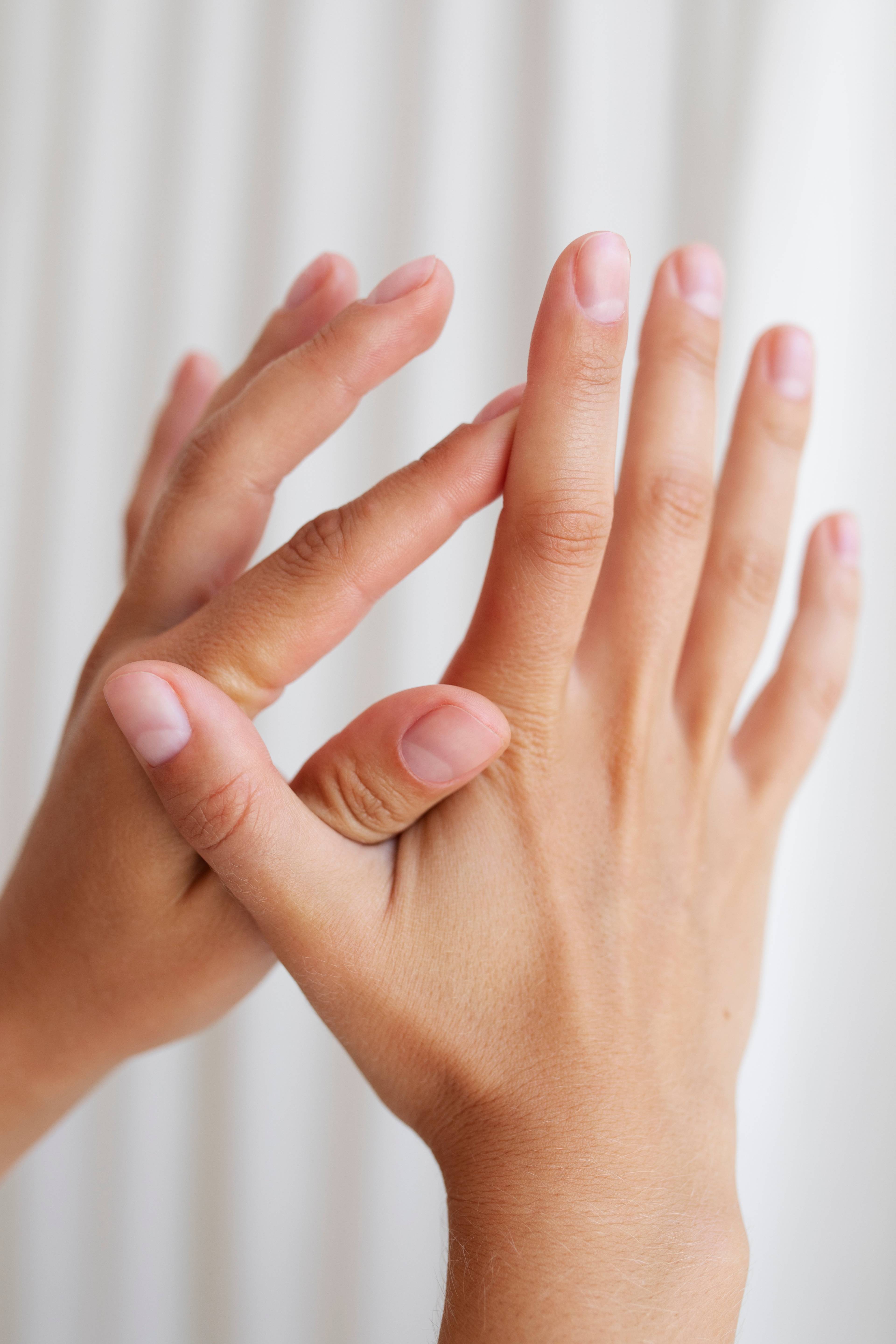
Two hands with natural, unpolished nails gently touching against a light background
Growth ≈ 3 mm / month Frame 02

Compare

Check again in a few weeks. New growth at the base shows the effect of recent diet and care.

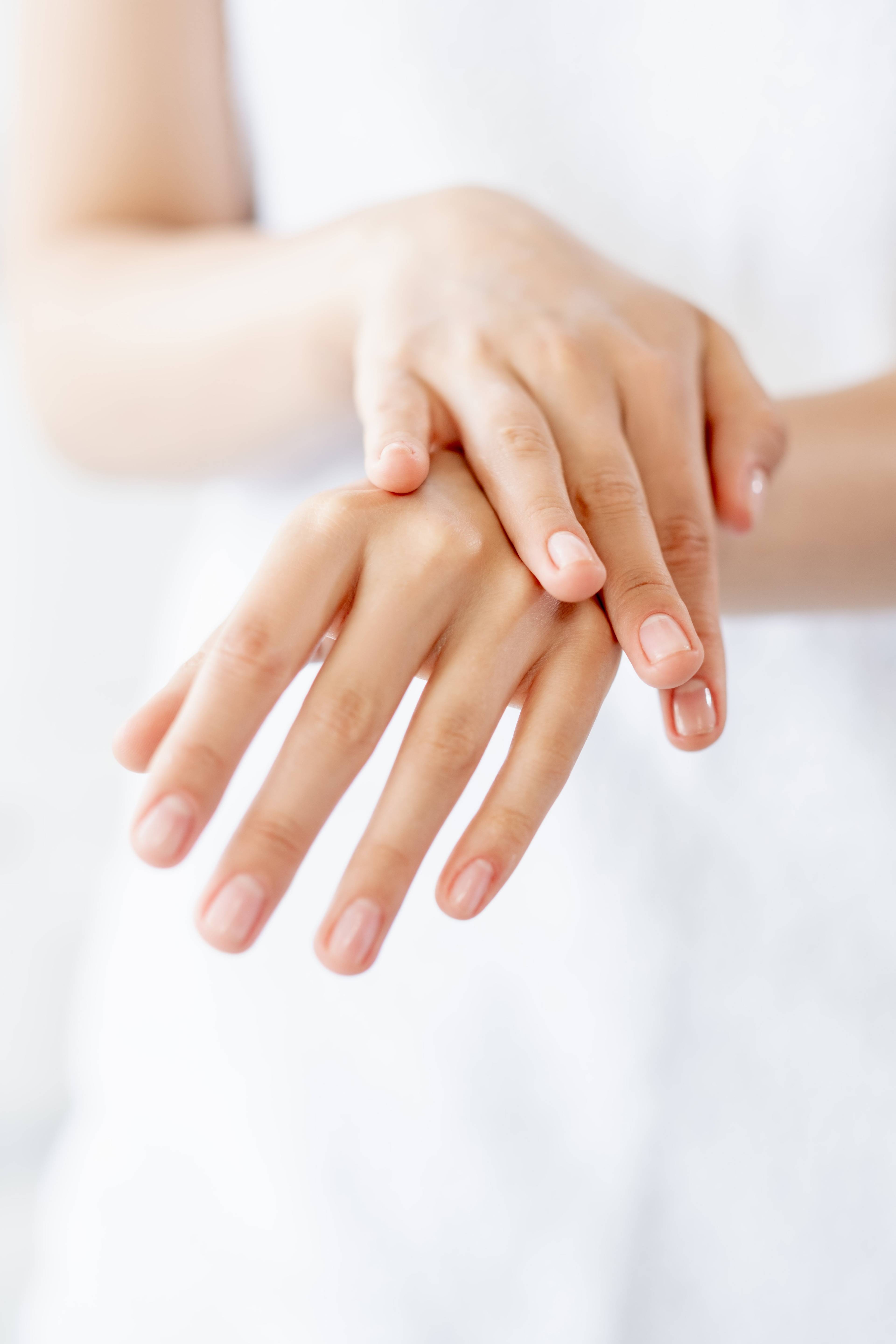
Woman gently resting one hand over the other, showing natural unpolished nails
Cuticle · Moisture Frame 03

Context

Water, detergents, gel and acetone affect nails more than most people think.

What nails need from food

Protein

Eggs, fish, poultry, beans, Greek yogurt. Keratin is built from protein, so too little can mean thinner, weaker nails.

Biotin (B7)

Eggs, nuts, seeds, salmon, sweet potato. Often linked to brittle nails. Deficiency is rare, so discuss supplements with a doctor first.

Iron

Red meat, lentils, spinach, pumpkin seeds. Pair plant sources with vitamin C, like peppers or citrus, to absorb more of it.

Zinc

Shellfish, meat, chickpeas, cashews, oats. Involved in cell growth and tissue repair, including the nail bed.

Omega-3 fats

Salmon, sardines, walnuts, flaxseed, chia. Help keep the nails and the skin around them from drying out.

Vitamin C & water

Citrus, berries, peppers, kiwi. Vitamin C supports collagen in the nail bed, and good hydration helps prevent brittleness.

No single “nail food” works miracles. A varied diet with enough protein covers most needs, and because nails grow slowly, give any change at least three months before judging it.

Care that makes a visible difference

  • Wear gloves for dishes and cleaning. Repeated wetting and drying is a leading cause of peeling.
  • Massage cuticle oil or hand cream into nails daily, especially after washing.
  • File in one direction with a fine glass file. Sawing back and forth splits the tip.
  • Push cuticles back gently instead of cutting them. They seal out bacteria.
  • Soak gel off, never peel it, and give nails a break between gel manicures.
  • At the salon, a paraffin wax or hot-oil treatment can help very dry hands and nails.

When to see a professional

Changes that persist, hurt, appear suddenly, or come with swelling or a dark streak under the nail are worth showing to a doctor or dermatologist. Nail appearance alone is not a diagnosis.

Healthy Eating / Real life

Eating well on a real week

Most advice assumes you cook every meal at home. Real weeks include 15-minute lunches and dinners out. Here is what actually works in each situation, without strict rules.

A sandwich with tomato and lettuce eaten at a work desk

Scenario 01

A rushed weekday lunch

How to eat well in 15 minutes

  • Pair protein with fibre: a wholegrain wrap with chicken or hummus, lentil soup, or a salad with eggs or beans keeps you full through the afternoon.
  • Keep a backup drawer at work: nuts, oat crackers, canned tuna, fruit.
  • Ready-made salads are often low in protein. Add a yogurt, boiled eggs or cheese.
  • Keep a water bottle on your desk. Afternoon tiredness is often partly thirst.
Hands cutting vegetables with a knife while cooking at home

Scenario 02

Dinner at home

Small habits that make cooking easier

  • Cook once, eat twice: a batch of grains, roasted vegetables or beans covers several meals.
  • Frozen vegetables and canned beans are nutritious, cheap and ready in minutes.
  • Steaming, roasting, grilling and stir-frying need far less oil than deep-frying.
  • Season with herbs, spices, lemon and garlic, and you will need less salt.
A group of people sharing plates of food at a restaurant table

Scenario 03

Eating out

Enjoy it without overthinking

  • Restaurant portions are often larger than at home. Sharing a starter or taking leftovers home is completely normal.
  • Ask for sauces and dressings on the side. That is where much of the fat and salt hides.
  • Order a vegetable side or salad, and drink water alongside wine or soft drinks.
  • One restaurant meal doesn’t define your diet. What you eat most days matters far more.
A dark green plate of food on a table

Quick reference

What to
remember

Everything on this page in twelve short lines. Screenshot it and keep it for the next time you shop, cook or book a manicure.

01

Diet & your body

  • Include protein at every meal, not only at dinner.
  • Whole grains, legumes and fruit give steadier energy than sugary snacks.
  • Vitamin C and water are needed daily, because your body doesn’t store them.
  • Pale straw-coloured urine means you’re drinking enough. Dark means drink more.
02

Healthy eating

  • Half the plate vegetables, a quarter protein, a quarter whole grains.
  • On a label, check the serving size first, then the first three ingredients.
  • 5% Daily Value or less is low, 20% or more is high.
  • Frozen vegetables and canned beans are quick, cheap and they count.
03

Nail care

  • Protein, iron, zinc and omega-3 from food matter more than any single supplement.
  • Wear gloves for dishes and use cuticle oil every day.
  • File in one direction, and always soak gel off instead of peeling it.
  • Give any change about three months. If something persists or hurts, see a professional.

Look at the detail. Then look at what surrounds it.

Have a question about something on this page, or a suggestion for a topic you’d like explained? Connect with us and send it our way.

Fiitoo Beauty logo FIITOO BEAUTY

Diet · Nails · Healthy eating

Informational content only. Not a medical service, diet program, supplement store or beauty-treatment business.

Navigate

Legal

Contact

Phone

(833) 597‑1462

Email

support@fiitoobeauty.com